OBSIDIAN
2026
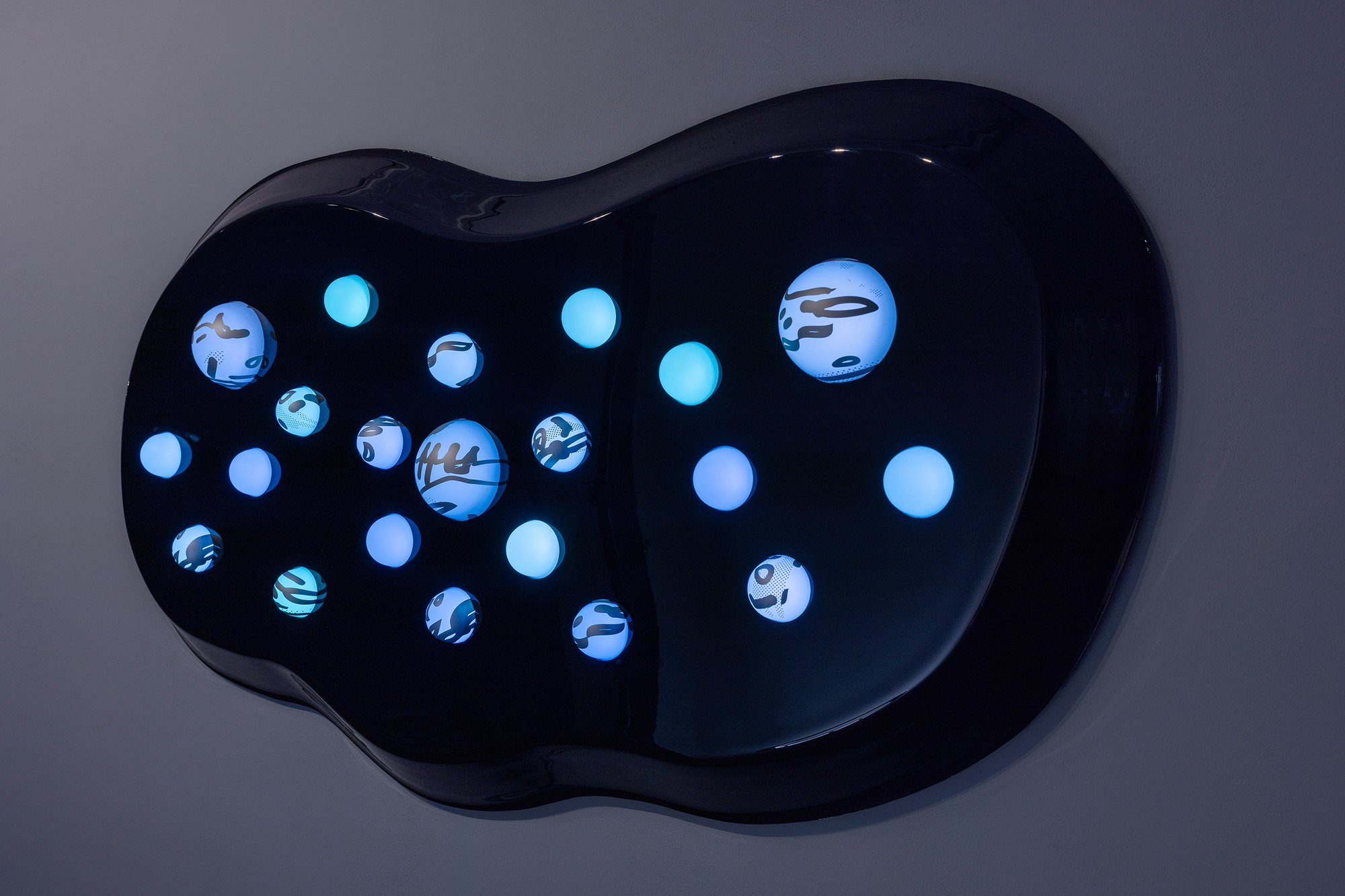
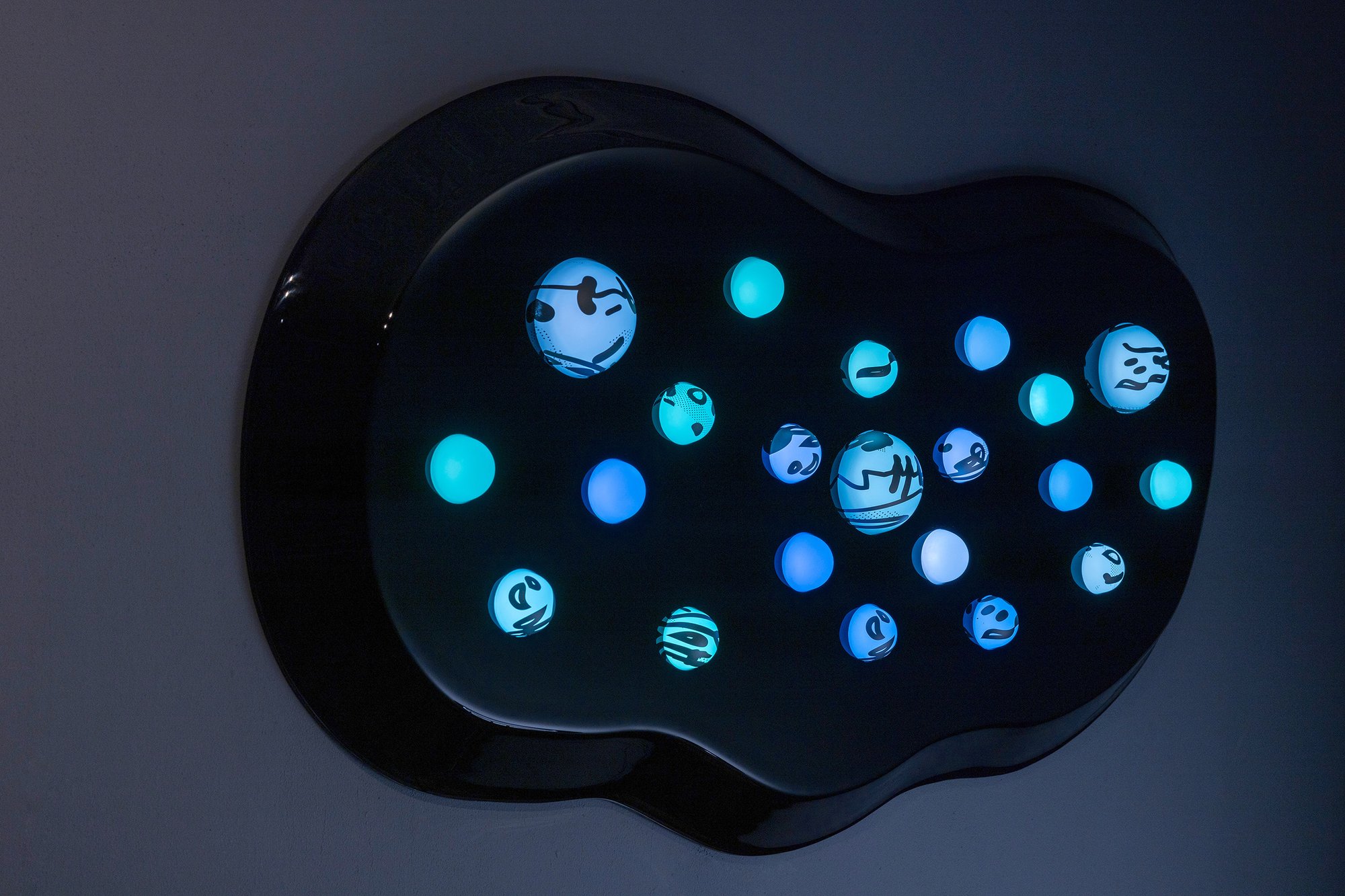
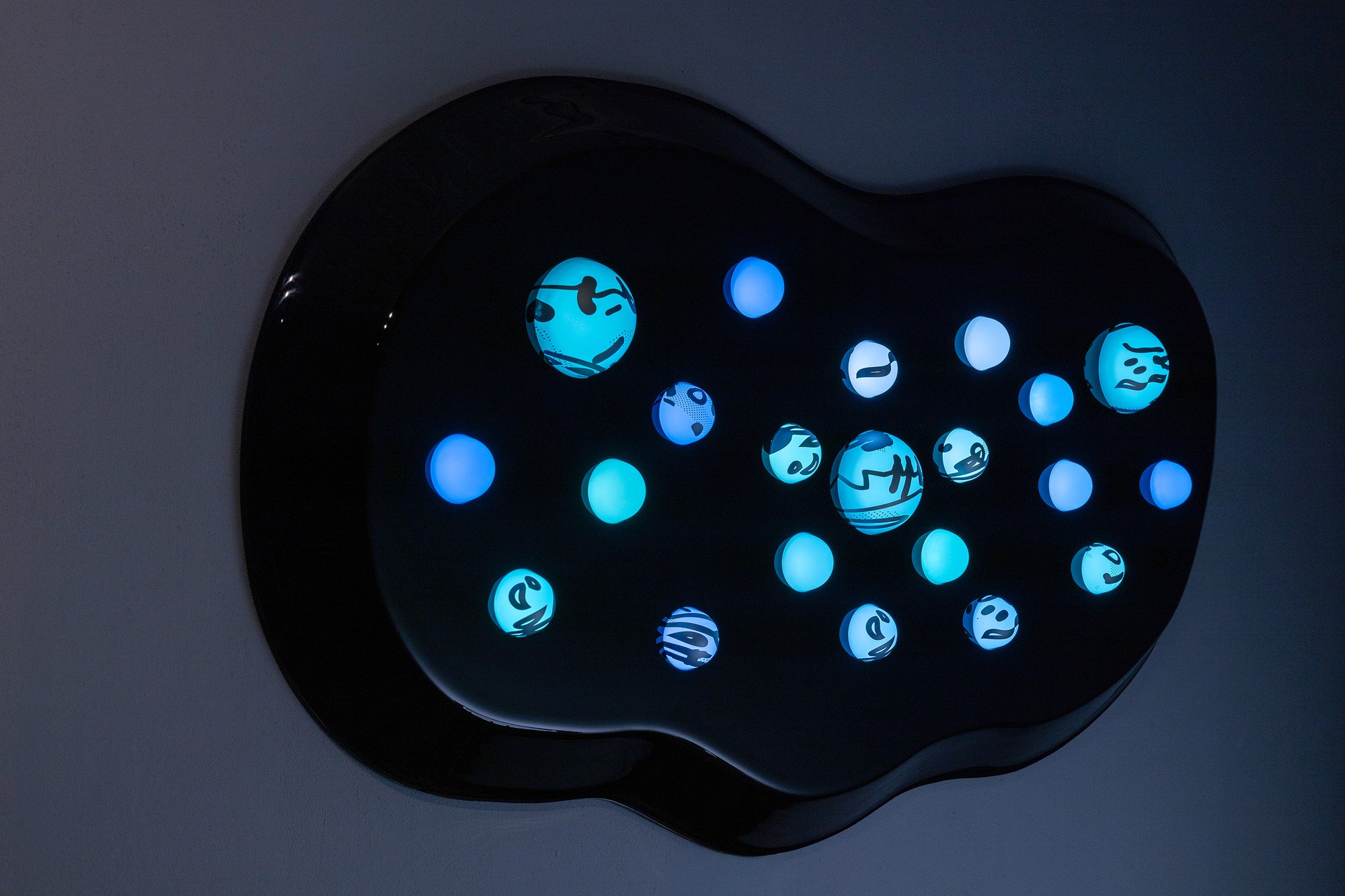
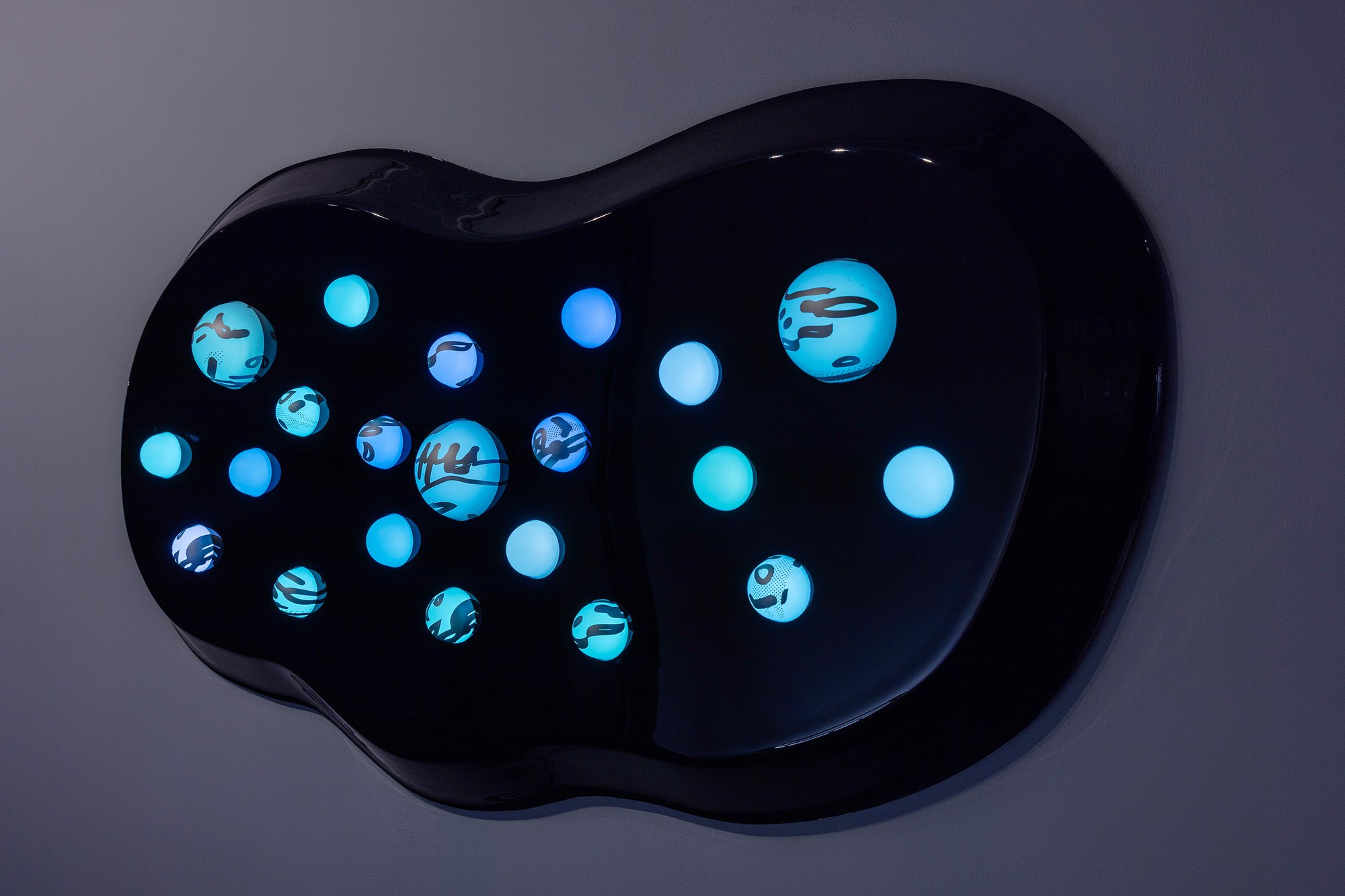
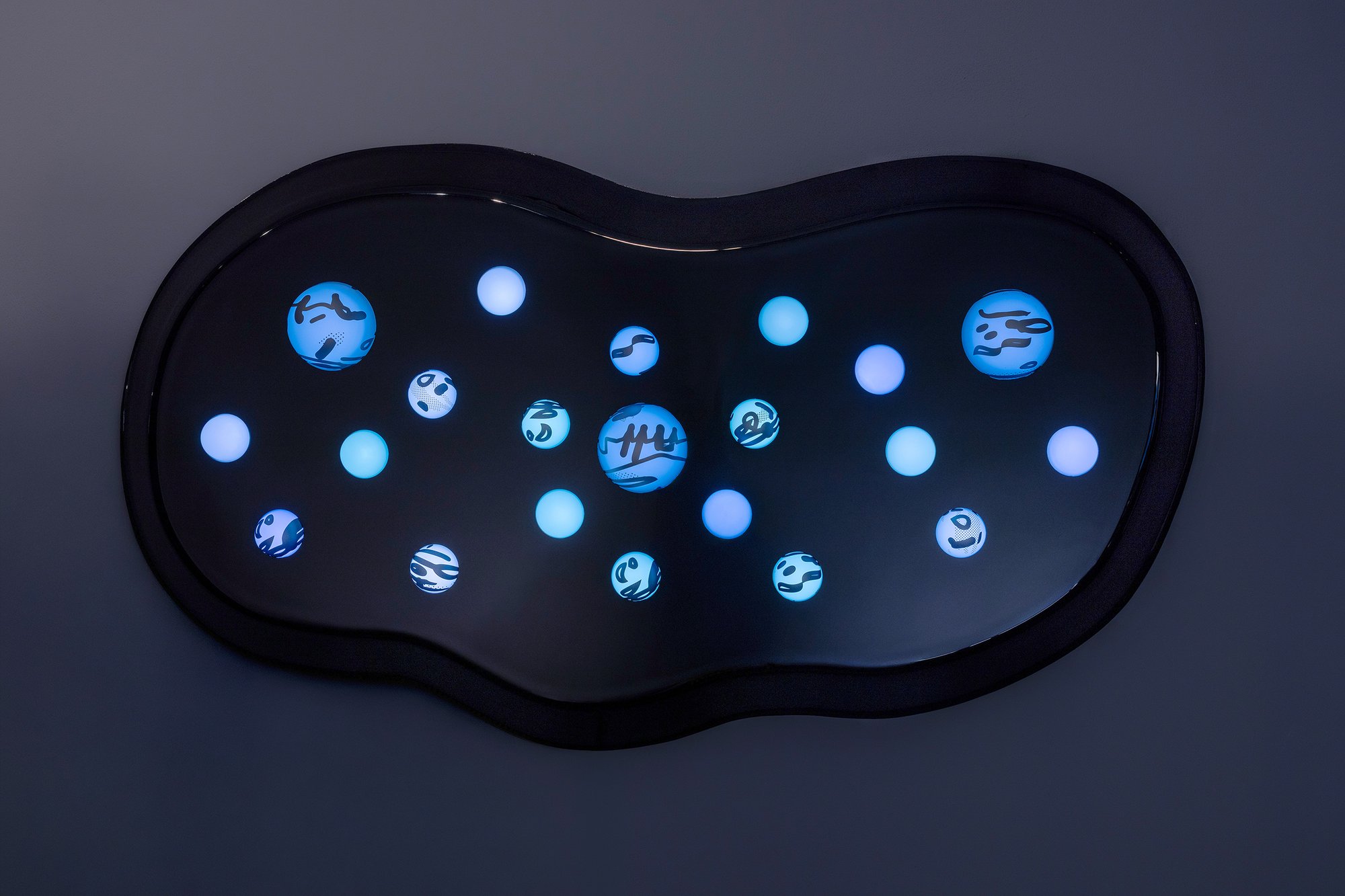
OBSIDIAN, 2026, New York, NY, Stainless steel, diffusion and reflective material, LEDs, custom lighting sequence, and electrical hardware.
49″ × 28″ × 4.5″ (124.46 cm × 71.12 cm × 11.43 cm)
When I visited Greenland, the Northern Lights returned, this time seen over vast waters with icebergs as far as the eye could see. It was a full-circle moment, bringing my art back north. I began studying and sketching these shapes and formations. A landscape that once appeared untouched revealed the effects of human activity.
Nature, to me, is perfection and has inspired awe in humans for centuries. It has long held a place in art history, from landscape painting to photography capturing moments of visual beauty. However, each passing year, nature’s perfection is shifting; human activity alters even the most remote landscapes. Floating icebergs in the Northern Hemisphere were once radiant across the Arctic landscape, but now they are melting and calving as glaciers retreat.
As accumulated snow compresses into glacial ice, air becomes trapped within it as bubbles. These bubbles scatter light, giving the ice its white appearance, while dense ice with fewer bubbles can appear blue. Dark lines of minerals and sediment can become trapped inside the ice. As the ice melts, this sediment enters the water, making it cloudier and blocking sunlight. With less light, phytoplankton cannot grow as easily, which can affect the entire fjord ecosystem.
This series uses stainless steel to create a reflective surface that visually parallels the icebergs, but it also mirrors our environmental footprint in this shifting beauty. The custom lighting sequence responds to the shades of blue and stark white these icebergs show. The series studies the transformation and loss of glacial ice and its effects on the ecosystem, one formation at a time.